
Global health gap widens as life expectancy outpaces healthy years
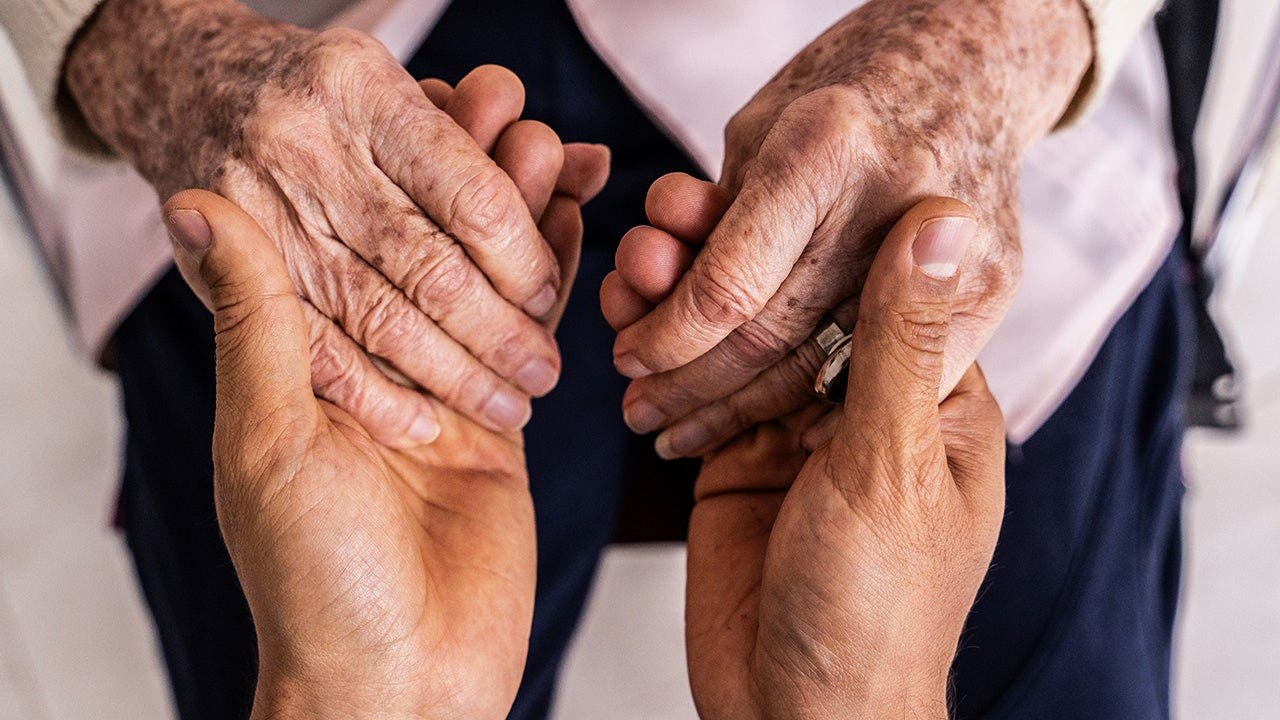
Rising life expectancy is increasingly decoupled from healthy living, with significant morbidity gaps emerging between generations globally.
The Growing Morbidity Gap
Recent scientific observations indicate a troubling trend where improvements in longevity are not being matched by improvements in quality of life. While humans are living longer than previous generations, a substantial portion of those additional years is being spent managing chronic illnesses and physical disabilities.
This phenomenon, often described as the gap between life expectancy and healthy life expectancy, suggests that medical advancements are successful at delaying death but less effective at preventing the onset of age-related morbidity. The disparity creates a significant burden on both individual well-being and national healthcare infrastructures.
Regional Disparities in Health Longevity
Data analysis reveals that this trend is not uniform across the globe. The United States currently exhibits one of the most pronounced gaps between total lifespan and years lived in good health. Research indicates that individuals in America spend approximately 14 years in poor health during their lifetime.
This disparity highlights several systemic issues within the American healthcare model, including:
- High rates of chronic non-communicable diseases.
- Delayed intervention for lifestyle-related health conditions.
- Variations in access to preventative healthcare services.
Generational Health Trends
The divergence between lifespan and healthspan is particularly evident when comparing different age cohorts. As medical technology continues to manage acute conditions and extend life, the accumulation of chronic issues such as cardiovascular disease, diabetes, and cognitive decline becomes more prevalent in older populations.
Scientists are examining how various socio-economic factors and lifestyle shifts contribute to this widening chasm. The objective is to transition from a model of purely life-extending care to one focused on healthspan extension, ensuring that the extra years gained are functional and high in quality.
Addressing this trend requires a multi-faceted approach involving policy changes, nutritional improvements, and increased investment in preventative medicine to narrow the gap between living longer and living better.