
Cadillac's early 1980s fuel-saving technology faces critical scrutiny
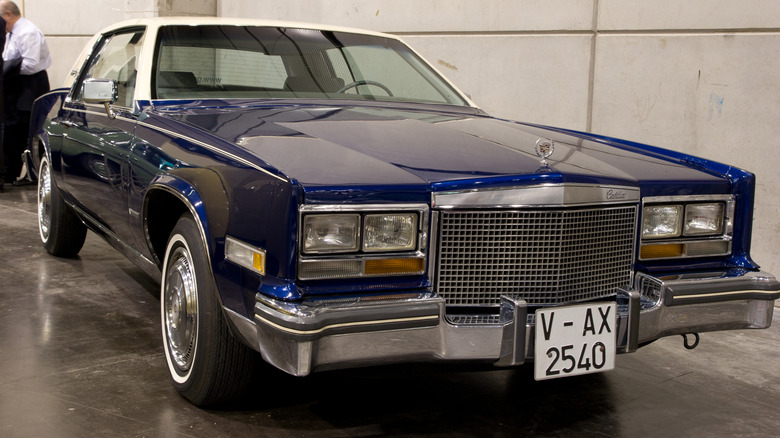
Cadillac introduced experimental energy-conservation technologies in the early 1980s to help drivers reduce fuel consumption and costs.
The push for fuel efficiency
During the early 1980s, the automotive industry faced significant pressure to address rising fuel costs and shifting consumer priorities. Cadillac responded by integrating specific technological features designed to conserve energy and improve mileage for luxury vehicle drivers.
These systems represented an attempt to marry high-end comfort with the growing necessity for efficiency. At the time, the integration of electronic controls and energy-management systems was a nascent field in the automotive sector.
Technological implementation and challenges
The technology aimed to optimise how power was distributed throughout the vehicle, targeting specific areas where energy waste was most prevalent. While the intent was to align with modern environmental and economic trends, the execution faced various operational hurdles.
Industry analysts note that these early attempts at smart energy management were often considered ahead of their time. However, the complexity of the systems frequently clashed with the reliability expected from a premium brand like Cadillac. The following factors influenced the rollout of these features:
- Complexity of electronic integration: Early computing power was limited, making real-time energy management difficult to execute smoothly.
- Driver adaptation: New interfaces and automated systems required a learning curve for traditional luxury car owners.
- Maintenance requirements: The specialised nature of these systems meant that repairs were often more costly and complex than standard mechanical fixes.
Legacy of early energy conservation
Although some of these specific 1980s Cadillac systems did not achieve long-term market success, they provided a foundation for modern hybrid and electric vehicle technologies. The data gathered from these early experiments helped engineers understand the relationship between automated energy management and driver experience.
Today, the concepts pioneered by Cadillac during this era—such as regenerative principles and intelligent power distribution—are standard in the contemporary automotive landscape. The period remains a significant study in how luxury manufacturers navigate the transition between traditional combustion engines and highly efficient, tech-driven drivetrains.