
Rescue services face tech gaps as veteran radio operators retire
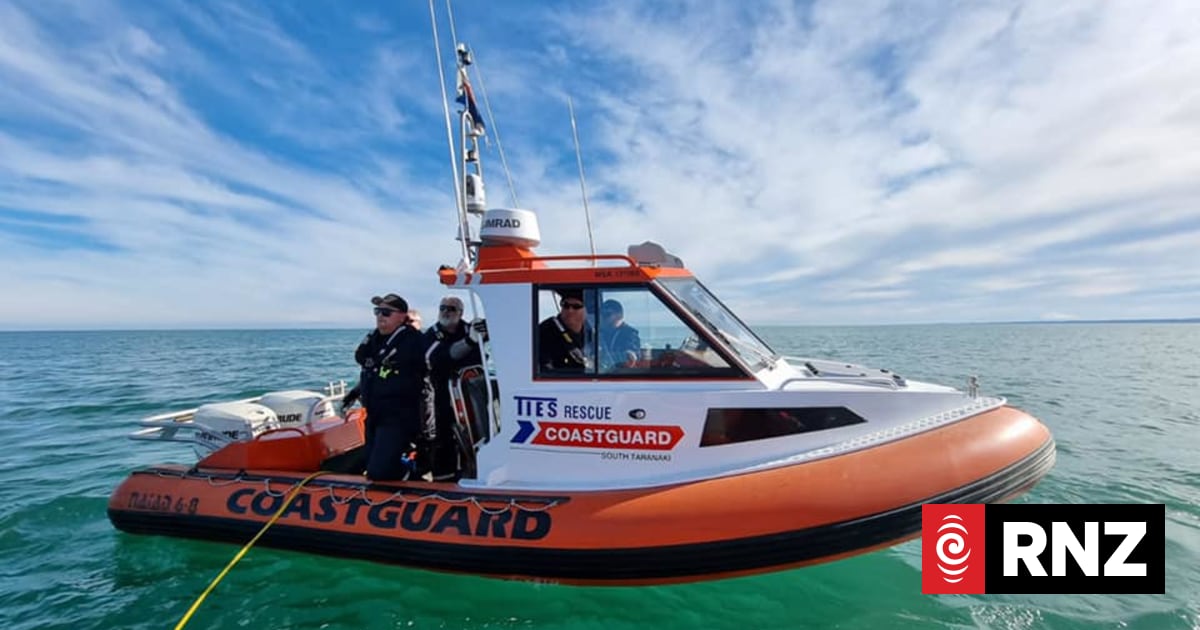
Search-and-rescue organisations are seeking a telecommunications review to address critical gaps caused by ageing technology and a retiring workforce.
Critical Communication Gaps
Search-and-rescue groups are calling for an urgent review of existing telecommunications infrastructure to mend long-standing connectivity gaps. These issues stem from a combination of outdated hardware and a shrinking pool of experienced operators.
The reliance on legacy systems has created vulnerabilities in field communications. As emergency scenarios become more complex, the inability to bridge the gap between old-school radio frequencies and modern digital networks poses a risk to operational efficiency.
The Human Element and Technical Decline
A significant factor in this technological decline is the demographic shift within the radio community. Many of the most skilled operators, who possess deep knowledge of analogue systems and complex frequency management, are entering retirement.
This loss of institutional knowledge creates a double-sided problem:
- Skills Gap: New volunteers often lack the specialised training required to operate legacy equipment effectively.
- System Obsolescence: As technicians retire, the ability to maintain and repair older, niche telecommunications hardware diminishes.
Modernising Emergency Networks
The push for a comprehensive review aims to integrate modern digital standards with the reliable, long-range capabilities of traditional radio. Rescuers argue that keeping pace with evolving technology is no longer optional but a necessity for public safety.
Current efforts focus on identifying specific geographic areas where signal dead zones persist. By upgrading hardware and standardising protocols, rescue services hope to ensure seamless communication between ground teams, aerial support, and command centres.
The transition requires significant investment in both infrastructure and training. Ensuring that the next generation of rescuers is proficient in both emerging satellite technologies and established radio protocols remains a primary objective for the industry.