
Two decades of hearing aid innovation: Evolution and future trends
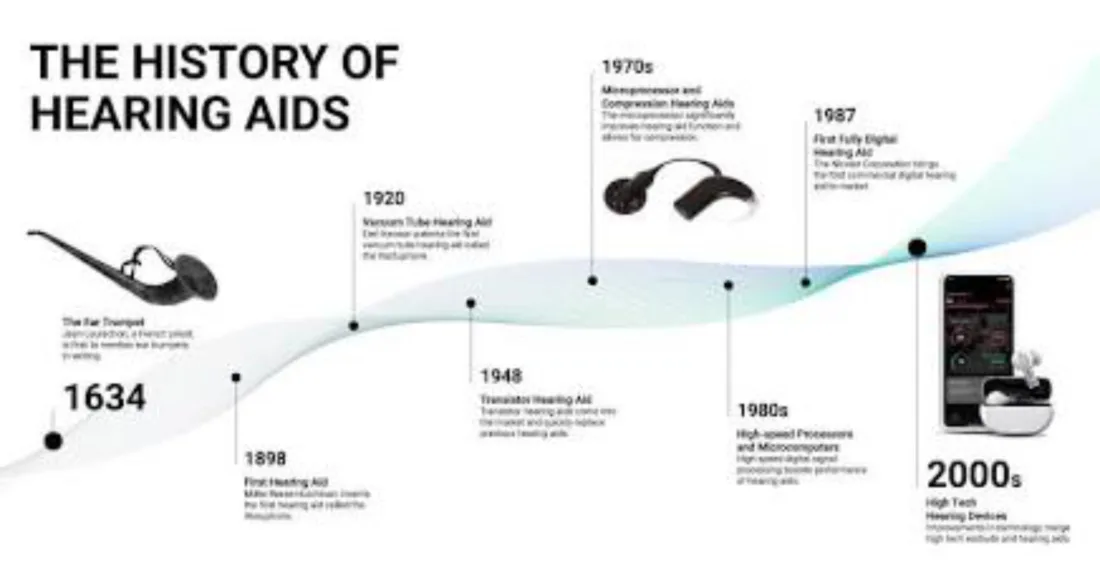
Hearing aid technology has undergone significant transformations over the last 20 years, shifting from basic amplification to sophisticated digital processing tools.
The landscape of auditory assistance has transitioned through several distinct technological eras. Two decades ago, devices relied heavily on analogue components that provided simple volume amplification but struggled with background noise and signal clarity.
The shift to digital processing
The introduction of digital signal processing (DSP) marked a turning point for the industry. Unlike their analogue predecessors, digital hearing aids allow for precise manipulation of sound waves, enabling manufacturers to target specific frequencies and mitigate environmental interference.
Key milestones in this evolution include:
- Miniaturisation: The transition from bulky, behind-the-ear models to discrete, almost invisible in-the-canal devices.
- Noise Reduction: Advanced algorithms that distinguish between human speech and ambient environmental sounds.
- Connectivity: The integration of Bluetooth technology, allowing users to stream audio directly from smartphones and televisions.
- Battery Life: The move from disposable zinc-air cells to long-lasting, rechargeable lithium-ion systems.
Emerging research and development
Current research and development efforts among major hearing aid manufacturers are focused on integrating artificial intelligence (AI) and machine learning to enhance user experience. These technologies aim to create adaptive environments where the device learns a user's specific acoustic preferences in real-time.
The role of sensor technology
Future iterations of hearing technology are expected to incorporate sophisticated sensor arrays. These sensors may track physiological data or environmental context to automatically adjust sound profiles without manual user intervention.
The technology has changed dramatically as we move into a new era of intelligent auditory assistance.
As manufacturers push the boundaries of what is possible, the industry is moving toward a future where hearing aids function less like simple amplifiers and more like intelligent, context-aware wearable computers designed to integrate seamlessly into daily life.